

Handbook
Letter to Families
Dear Families,
Welcome to the Ben and Bernice Fiterman B’ Mitzvah Program at Beth El Synagogue! This is a unique and memorable time in the life of your family, and we are delighted to be on this journey with you.
Our program goes beyond the customary skills of chanting Torah/Haftarah and leading prayers. Through family education, Shabbat experiences, adult-only learning, and mitzvah projects, our program offers your family a chance to feel the rhythm and depth of Jewish life. We hope that by taking advantage of the full B’ Mitzvah Program, your child’s B’ Mitzvah will be a steppingstone to a more meaningful connection to Judaism in your home and within our community.
Simply stated, the goals of the B’ Mitzvah Program are to:
- Give students a “Jewish toolbox” full of skills that will assist them in living rich Jewish lives, as well as other areas of their lives.
- Bring families together and create a stronger community.
- Build community among our students.
- Model that Jewish learning is a life-long process.
- Demonstrate the beauty of Shabbat and communal prayer.
- Involve families in mitzvah projects within our community.
- Reinforce Jewish literacy.
This Handbook is designed as a tool to help you organize and understand the many elements of the B’Mitzvah Program. In addition, you will receive appropriate forms and information throughout your years in the program. Please carefully watch your email and always feel free to reach out if you feel you may have missed something.
You may also access this information as well as a wealth of other tools to help you through the B’ Mitzvah Program on the synagogue website and Mitzvah Tools.
As your clergy team, we look forward to getting to know you over the next years and beyond. The entire B’ Mitzvah Program team is committed to making your family simcha meaningful and enjoyable. If you have any questions, please do not hesitate to reach out to any of us – we are here for you!
B’Shalom,

Rabbi Alexander Davis
Rabbi Julie Schwarzwald

Rabbi Matt Goldberg
Values of Beth El Synagogue
During our strategic planning process, the Beth El staff and Board committee chairs met independently to identify and define the core values that should inform our decisions and daily actions at Beth El. In furtherance of our Mission and Membership Statements, we reached a consensus on the five values listed below: Ruchaniut, Kehilla, Chiddush, Tikkun Hanefesh, and Tikkun Olam.
Ruchaniut (Spirituality through God, Torah, Israel)
- We strive to “walk in God’s ways,” upholding the covenant, living our values intentionally, and cherishing the mitzvot both in the synagogue as a collective as well as in our individual lives “at home and away, night and day.”
- We believe that Judaism is an all-encompassing way of life, that a full Jewish life shapes our beliefs, behaviors and sense of belonging, that each person’s relationship to Judaism is unique and personal, and that we are called upon to grow in faith and faithfulness.
- We are a beit knesset, a home of gathering for sacred-social occasions; a beit midrash, a home committed to life-long learning; and a beit tefillah, a home grounded in Jewish spiritual practices.
- We are inheritors of a masorah (tradition) that we lovingly and actively bequeath to the next generation.
- We are Ohavei Yisrael (lovers of Israel) who feel a special relationship with and obligation to the Jewish people and the Land and State of Israel.
Kehilla (Community)
- We consider Beth El to be our home, where young and old are invited to gather and are welcomed as mishpacha (family).
- We are a tapestry of different backgrounds, perspectives and and beliefs.
- We are committed to supporting each other and the institution of Beth El.
- We offer opportunities for participation and engagement that are open to all.
- We are focused on providing an environment that is safe for all and a building and premises that are physically secure.
- We rely on community members for participation, leadership, volunteer support, and financial contributions.
Chiddush (Innovation)
- We are dedicated to learning from the past to shape the future.
- We are committed to continuous improvement.
- We recognize the ever-changing nature of our lives and of our world and respond with the timeless, ever-growing wisdom of Judaism and the agility and adaptability of Jewish community.
- We are at the forefront of making Conservative/Masorti Judaism relevant in modern times.
Tikkun Hanefesh (Self-Improvement)
- We show gratitude through words and deeds, through our generosity and selfless acts.
- We practice humility: appreciating what we know and being curious about what we do not know, learning when to speak and when to listen, and understanding when to stand up and when to lean in.
- We recognize the possibility of tshuva (repentance) for ourselves and others.
- We face challenges and opportunities with patience, perseverance and positivity.
- We live life with simcha (joy) and look with optimism to the future.
- We are committed to truth, to fostering trust, and to creating a communal culture of transparency and integrity.
Tikkun Olam (Repairing the World)
- We treat others with compassion and respect, recognizing each person is created b’tzelem Elohim (in God’s image).
- We uphold our responsibility to comfort the bereaved, lift the downfallen, and support people through life’s challenges.
- We work to bring communities together and serve as a catalyst to respond through our Jewish values to the critical needs and contemporary issues facing our planet and its inhabitants.
- We act courageously to apply Jewish values to better our world by pursuing tzedek (righteousness), performing acts of chesed (loving kindness), and striving for peace between people and between peoples.
The Ben and Bernice Fiterman B’ Mitzvah Program
 The Ben and Bernice
Fiterman B’ Mitzvah
Program
MAZAL TOV! You are becoming a B’ Mitzvah! What does this mean? You will soon be considered an adult member of our community and the Jewish people.
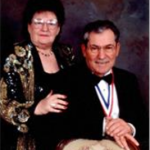
This is a great honor. This honor comes with responsibility. By becoming a child of the mitzvot, your community will look to you to perform mitzvot (sacred responsibilities). There are many people in our community and likely in your own family that you can look to as role models of people committed to living a life of mitzvot. We thought you would like to know a little more about two of these role models in our community – the individuals for whom this mitzvah training program is named, Ben and Bernice Fiterman.
Ben and Bernice both came from very humble backgrounds growing up on the North Side of the Minneapolis community. They were born to immigrant parents and together with their families, faced many hardships and challenges in their early years. During those times of the Great Depression and pre-and post-World War II, many Jewish children on the North Side benefited from the generosity of philanthropic individuals who started facilities known as settlement houses to help those in need in both Minneapolis and St. Paul. These houses, similar to our Jewish Community Center, offered free meals, medical assistance, and critical services to people of all faiths.
Ben and Bernice met in high school and later married and had a family of their own; they were some of the early congregants of Beth El Synagogue. Ben served his country as a soldier and patriot during World War II. The family lived on the North Side for many years where the Jewish community continued to thrive and flourish. Ben and Bernice worked shoulder to shoulder in the family business known as Liberty Carton Company. Through the hard work and dedication of hundreds of employees, Liberty grew and has become an international success.
Throughout their 67 years of marriage and raising their family, Ben and Bernice always considered themselves very blessed. Still, they never forgot their humble beginnings when others were there to help them. They were involved in many charitable causes and programs that gave back to both the Jewish and non-Jewish communities. In that spirit, their family established a fund to support your mitzvah program. This fund is dedicated to ensuring that you learn, value, and live Jewish tradition. When you do, you will be following in the footsteps of Ben and Bernice. Like them, you will know that being an adult member of the Jewish community means making mitzvot a part of your life, being a mensch caring about others, and giving back through tzedakah and volunteering your time.
General Program Policies
Statement on Diversity, Equity, and Inclusion
Beth El Synagogue is a large and diverse community. We welcome Jews of all colors, backgrounds, and walks of life. We welcome spouses and life partners of other faith backgrounds to be active members in the life and culture of our Jewish community. We welcome learners of all types and abilities. We welcome families of all constructs.
We welcome children of all abilities to our Ben and Bernice Fiterman B’ Mitzvah Program. We are committed to the idea that each person learns differently. Therefore, our staff works with families on an individual basis to ensure that each student reaches their best success as they go through the program.
Prerequisite Studies
Beth El’s B’ Mitzvah Program is designed to give students the skills necessary to participate in leading the service, studying Jewish text, and chanting Torah and Haftarah—at their B’ Mitzvah service and beyond. However, we are not a Hebrew School where skills of language are taught. Therefore, to become a B’ Mitzvah at Beth El, your child must be enrolled in Talmud Torah of Minneapolis, Smith Jewish Academy, or a Jewish Program authorized by the B’ Mitzvah Program Director, through the end of the school year in which the B’ Mitzvah takes place. Students who attend Talmud Torah should begin their classes in second grade to ensure they have the Hebrew skills necessary to succeed in our program.
B’ Mitzvah Dates
According to Jewish tradition, b’nai mitzvah are celebrated on or immediately after the thirteenth Hebrew birthday. Dates, therefore, are assigned as close to your child’s Hebrew birthday as possible. You will find out your date and parasha (Torah Portion) at the end of fourth grade.
If circumstances make this date unworkable, we will work with you to find an alternate date. Changing an assigned date after training has begun is complicated and may impose additional work for your child. If this is something you wish to pursue, please reach out to the B’ Mitzvah Team Members and we will work with you to the best of our ability.
The Fiterman B’ Mitzvah Program
TaRBuT
The Shabbat morning component of the Fiterman B’ Mitzvah Program.
TaRBuT, is an acronym for T’fillot (prayers), Ru’ach (spirit), B’rakhot (blessings), and Torah. It is directed by the B’ Mitzvah Program and Ritual Director, adult Master Teachers, and teen volunteer teachers who graduated from our leadership training program, Rimonim.
Learners are divided into five groups based on what they have learned. All students begin in group Kachol and have the opportunity to progress through Tekhelet over the course of their time in TaRBuT. While students progress at their own rate through the material, we guide which Tefillot (prayers) should ideally be accomplished each semester to ensure that students remain on track.
The extent of your child’s participation in leading services on their B’ Mitzvah will be determined by their mastery of the requisite material in this program. Progress will be assessed on an individual basis throughout the training process.
Students begin by learning Bayit (home ritual) skills, for example, Kiddush; then, they progress to learn Shacharit (the morning service). Students who complete this material may advance to learn Kabbalat Shabbat or Ma’ariv (Friday night service), the Torah Service, Musaf, Hallel, or other advanced skills.
Financial Requirements
Program Fees:
Upon accepting your B’ Mitzvah date, a $500 non-refundable deposit is due. The total Program Fee is $3850 and may be paid monthly, quarterly, or in full. A payment arrangement needs to be in place by the start of the program. Monthly and quarterly automatic payments will begin in the fall of 5th grade.
All fees must be paid in full by the end of your child’s 6th grade year. If you are interested in applying for financial aid, a link will be included in the confirmation email once your Date Acceptance Form has been completed. The deadline for applying for financial aid is June 30, 2026. No exceptions. If you have any questions about the application process, please contact Corinne Calderon at CCalderon@bethelsynagogue.org or 952.873.7307.
Included in B’ Mitzvah Program are the following:
- Shabbat morning program (TaRBuT)
- Family Learning Sessions in 5th and 6th grades
- Family Shabbat Dinners: 2 per year
- Torah/Haftarah individual tutoring
- Nevi’im (Haftarah class)
- Beit Midrash (D’var Torah preparation)
- Weekend-long Shabbaton experience in 5th and 6th grades
- T3: Tallit, Tefillin, Tefillah- a 6-session Sunday morning program
- Your child(ren)’s Siddur and Tikkun (prayer book and Torah reading book)
- Set of Tefillin
- MitzvahTools subscription
- Beth El Security Fees
Kiddush Lunch
Community lunches have been a treasured part of Beth El’s Shabbat celebration for decades. In 2025, the Shabbat Kiddush lunch model was changed to create a more equitable program for all families. Our growing community, rising costs, and inconsistent experiences prompted us to take a comprehensive look at our approach to this central aspect of our Shabbat experience.
The base cost of a lunch for every Shabbat will be $18.50 per person for the 2026-2027 program year. This standardized $18.50 per person cost maintains high-quality Kiddush lunches every Shabbat for all 360+ weekly attendees.
A $5,150 base contribution for the 2026-2027 year is structured as a tax-deductible charitable donation because it directly supports our congregation's value of bringing our community together for Shabbat. Funding the congregational program with this base contribution advances our synagogue's religious and community-building purposes, and no goods or services are provided to your family in exchange for this contribution.
The tax-deductible portion for sponsoring a Congregational Shabbat Lunch and Kiddush is:
- The entire cost of the Kiddush
- The cost of congregational guest count for the
A donation acknowledgment letter for the $5,150 base contribution will be issued separately for your tax records. Any additional enhancement costs represent goods and services provided directly to your family and are not tax-deductible. Please consult your tax advisor regarding the deductibility of charitable contributions.
Should families wish to add any menu items (beyond the standard menu) or guests (beyond 50), they will be responsible for the additional cost. The cost for these additions will be clearly communicated to families one year before the b’ mitzvah so they can plan appropriately.
The family contribution amount for B’ Mitzvah in each subsequent fiscal year will likely increase due to anticipated rising food and service costs. Any increases will be communicated to families prior to their child(ren) beginning the B’ Mitzvah program in fifth grade.
Projected Increase:
2027-2028 $5300
2028-2029 $5450
Beth El Synagogue observes each simcha as a community. It is customary for families to sponsor the Shabbat Lunch and Kiddush as part of their lifecycle celebration.
As part of the lunch sponsorship, families are also asked to provide 70 dozen assorted sweets and baked goods, one bottle of kosher wine, one bottle of whiskey, and one loaf of challah for Kiddush.
Who’s Who at Beth El
Rabbi Julie Schwarzwald, B’ Mitzvah Program and Ritual Director Phone 952.873.7316| Email jschwarzwald@bethelsynagogue.org |
Rabbi Alexander Davis, Senior Rabbi Phone 952.873.7315| Email adavis@bethelsynagogue.org |
Rabbi Matt Goldberg, Rabbi Phone 952.873.7315| Email mgoldberg@bethelsynagogue.org |
Amy Godsey, B’ Mitzvah Program Administrator Phone 952.873.7313| Email agodsey@bethelsynagogue.org |
Jill Blustin, Rabbinic Administrator Phone 952.873.7315| Email jblustin@bethelsynagogue.org |
Lindsay Wayne, Marketing and Events Coordinator Phone 952.873.7334| Email lwayne@bethelsynagogue.org |
Liz Rappaport, Associate Director Phone 952.873.7314| Email lrappaport@bethelsynagogue.org |
Forrest Yesnes, Director of Youth Engagement Phone 952.873.7306| Email fyesnes@bethelsynagogue.org |
Corinne Calderon, Finance Associate Phone 952.873.7307| Email ccalderon@bethelsynagogue.org |
B’ Mitzvah Program Timeline
5th Grade Family Intake Meetings
In the months before 5th grade, each family will have individual intake meetings with our clergy, including the Director of the Fiterman B’ Mitzvah Program. These meetings are both an opportunity to get to know each other and “kick off” your journey towards B’ Mitzvah, and a chance for us to know about each student as an individual learner so that we may prepare for their best success.
Start of TaRBuT
The core of the program is TaRBuT where students learn t’filot (prayers), bayit (home) skills and Torah reading trope, and form lifelong connections to the community. TaRBuT takes place on most Shabbat mornings throughout the school year. During 5th grade, parents are asked to attend Family Learning sessions with their child on select Shabbat mornings.
Mitzvah Curriculum
Mitzvah is the key word in “B’ Mitzvah”. We teach students that just as they receive the right to participate in the community as Jewish adults, they now must take responsibility for mitzvot. As part of TaRBuT, students will learn about different mitzvot – ways in which we can fulfill Torah precepts by giving of our time and our resources – and how they as individuals and as a group can have a positive impact on the world around them. During 6th grade, families will participate in mitzvah opportunities as a group.
Shabbaton
5th and 6th grade learners join each year for a weekend retreat (Friday-Sunday) at a local overnight camp, accompanied by staff and clergy, for an immersive and fun Shabbat. We have found informal education opportunities add a level of joy to learning. Students will participate in services, enjoy traditional Shabbat meals, and share in both structured learning opportunities and unstructured social time. A highlight of the weekend is the Talent Show! Information about the Shabbaton will be sent out each fall.
Haftarah: 2 Paths
Chanting Haftarah
Chanting the Haftarah has been a tradition for B’ Mitzvah in American synagogues for several generations. Students who wish to chant Haftarah will begin Trope (cantillation) classes during TaRBuT and continue learning with their private tutor.
Nevi’im (Study of the Prophets)
This track engages students in the study of the Prophets in a small group setting, led by one of our Rabbis. They will also study the prophet associated with the haftarah for their B’ Mitzvah date and write a D’var Haftarah (short teaching to introduce the haftarah) which they will share from the pulpit. Nevi’im classes take place on Sunday mornings in the semester before the B’ Mitzvah.
Chanting Torah
Chanting Torah is a lifelong skill. Beth El is proud to be a congregation with generations of Torah readers raised in our halls. Students will receive an introduction to Torah Trope (cantillation) as part of their TaRBuT studies and will receive up to 40 sessions of weekly private instruction in chanting their Torah portion with a tutor assigned by Beth El.
Torah Trope Training
As part of TaRBuT, students will take a multi-week course introducing them to the concept of Trope (cantillation for Torah, Haftarah, and Megillot). They will learn some of the basic Trope groups using the melody for chanting Torah, and apply what they learn as they begin to study Torah and Haftarah.
Assessments
You can expect us to check in with students at various points in their learning both to establish deep relationships with families and to ensure students reach their full potential. At a minimum, you may expect the following touchpoints:
- One year before your B’ Mitzvah
- Six months before your B’ Mitzvah
- A minimum of three meetings in the four months leading up to your B’ Mitzvah
In addition, parents may feel free to reach out for additional check-ins with Rabbi Julie Schwarzwald.
T3 (One year before becoming B’ Mitzvah)
T3 stands for Tallit, Tefillin, Tefillah. This 6-week program takes place with parents and learner together on Sunday mornings the year prior to B’ Mitzvah. In this class, students will learn the whats, whys, and hows of putting on tefillin and tallit. We will engage in iyyun tefillah (deeper study of the prayers), and exploring personal connection to prayer.
Beit Midrash: Preparing for the D’var Torah
Beit Midrash roughly translates to “a hall dedicated to biblical study.” Students and parents are assigned to one of several sessions offered throughout the year, led by one of our Rabbis. In these sessions, families will discuss “What is Torah?” and “How do I find my parasha (Torah portion)?”, as well as teaching learners the basics of how to study the Torah. Families study the learner’s Torah portion and are guided to then craft a D’var Torah (speech about the Torah portion) which students will deliver from the pulpit.
In the weeks following this session, families have private follow-up meetings with one of the rabbis to study the student’s parasha in greater depth to help your child begin to shape their D’var Torah (brief sermon) that they will deliver on the day of their simcha.
Family and Friends Participation
At Beth El there are a plethora of ways in which to honor your family and friends during the B’ Mitzvah service. Aliyot to the Torah, dressing the Torah and opening and closing the Ark are all available for those family members who are Jewish. There are also options to participate for family and friends of another faith background. Please note, those receiving honors must be post B' Mitzvah age or older. Assisting G' lilah (dressing the Torah) is the only exception to that rule.
We offer B’ Mitzvah families three aliyot, in addition to their child’s aliyah. In the event that you have more people to honor, we are able to give you one additional aliyah (if you are having a double B' Mitzvah and would like more aliyot made available, please contact Rabbi Julie Schwarzwald at jschwarzwald@bethelsynagogue.org). Typically, the 1st aliyah is given to the grandparents, the 2nd aliyah is given to the aunts and uncles or friends, and the aliyah just before the b'mitzvah is for the parents (6th or 7th, depending on whether the b'mitzvah is chanting haftarah). This order can be changed and adjusted as needed.
In order to ensure kavod la-Torah (respect and honor for the Torah), we ask that the following guidelines be kept in mind as you think about who might chant:
- Chanting Torah is a complex skill. It requires comfort with reading Hebrew, awareness of the Trope, and the ability to put these skills together. It is more than simply memorizing. With this in mind, we ask that you check in with those who you wish to honor, asking their comfort and experience, and how many p’sukim (verses) they are comfortable learning.
- Readers should ideally be able to read a minimum of ten (10) verses (p’sukim). Exceptions may be made on a case-by-case basis.
- Recordings may be made available as aids for readers, but not as a primary way of preparing for a Torah reading.
- All emerging and non-regular Beth El readers will need to be checked by one of our Clergy or assigned lay leaders ten (10) days prior to your simcha.
- Readers who are not heard by Beth El in advance will not be able to ultimately read on Shabbat.
- Similarly, readers who are not prepared will not be able to read on Shabbat.
You will receive a link to the Torah Readers/Honors form at the time of scheduling your 6-month assessment with Rabbi Julie Schwarzwald, and reminders about it in the months following. This form is due four months in advance of your simcha.
As you prepare in advance for your simcha, you might consider acquiring the skill of Torah reading. If you wish to inquire about one of our skill classes or private study, please contact Rabbi Julie Schwarzwald for more information about our current offerings.
Week of B’ Mitzvah
Minyan Participation
Becoming B’ Mitzvah is as much about joining the community as it is about personal accomplishment and joy for a family. At Beth El, students come to daily services in the week leading up to their B’ Mitzvah. At these services, they will read Torah and lead some of the prayers.
- Shabbat Minchah (Saturday afternoon services) time depends on calendar
- Monday and Thursday morning minyan, 7:00 am
Kabbalat Shabbat (Friday night services)
Perhaps the most joyous and song-filled service of the week, b’nai mitzvah and families attend Friday night services at 5:45 pm. Students will lead some prayers, and parents/guardians have the opportunity to present students with their Tallit (prayer shawl).
The Big Day!
Shabbat morning services begin at 9:00 am. We ask families to arrive at Beth El 10-15 minutes prior to the start of services to allow them to begin on time with you in the sanctuary. For purposes of informing your guests, students will begin leading Shacharit at approximately 9:20 am and the Torah is taken out just before 9:45 am. Services typically end at or just before noon and are followed by a community-wide congregational Kiddush lunch.
Learners celebrating at Minchah services will be notified of their service start time in advance, and we ask that you arrive 10-15 minutes early, as well.
Program Handout & Kippot
Program handouts and kippot should be brought to the synagogue on Thursday the week of your simcha.
Note: If you are planning to print a program booklet for guests attending your service, it must be submitted to Rabbi Schwarzwald for review one month in advance of your simcha. Remember, as well, to order customized kippot (optional) at least two months in advance.
Assessments, Check-Ins, and Rehearsals
“OY” (One Year) Assessment
B’nai mitzvah will have individual assessments outside of TaRBuT to review all t’fillot (prayers) they will have learned in TaRBuT. This allows the opportunity to track initial progress and determine the best path forward based on each family’s goals. The first is scheduled one year before B’ Mitzvah. At this time, learners will be asked to choose which Haftarah path they will pursue.
6-Month Assessment
Six months from your child’s B’ Mitzvah, they will have an assessment to gauge their progress since the OY assessment and to help guide their learning through the final months before the B’ Mitzvah.
4-Month Check In
Starting four months from your child’s B’ Mitzvah, they will have three review sessions with the Rabbi Schwarzwald to review their Tefillot and Torah reading and to identify areas of study requiring continued work.
2-Month Check In
By the two-month check-in, a final decision will be made about prayer leading and Torah reading for the child’s B’Mitzvah.
1-Month Check In
B’nai mitzvah will review prayers and everything that has been learned, especially materials that they have reviewed recently or regularly. The D’var Torah (and D’var Haftarah) are rehearsed at this meeting.
Dress Rehearsal
The Dress and Rehearsal is an opportunity to practice on the bimah, developing comfort in leading prayers and reading Torah from there, and review choreography with the service leader who will accompany the B'Mitzvah student on that day.
Final Family Meeting with Rabbi
In the weeks prior to your simcha, you will be invited to a private family meeting with Rabbi Davis or Rabbi Goldberg. This is an opportunity to discuss the deeper meaning of becoming B’ Mitzvah and deepen your relationship with the clergy team.
What Happens Post B’ Mitzvah
Rimonim and Teen Teacher Program
Beth El Synagogue is committed to creating opportunities for our teens to engage in Jewish programming that strengthens their connection to Judaism. Many of our teens have in turn demonstrated their commitment to fostering a positive environment for other youth to grow up at Beth El. Returning to teach in the TaRBuT program allows them to give back in a meaningful way.
Requirements for Eligibility
- Be approved by the Director of TaRBuT
- Meet participation and attendance guidelines for TaRBuT
- Complete all documentation on time
Service Grants
TaRBuT could not run without the help of our Rimonim and Teen Teachers, and we are so fortunate to have them interested in giving back to the program! In appreciation of their time and effort, they are able to apply for the Beth El Service Grant Scholarship that provides donated funding toward a Jewish program they wish to attend.
For TaRBuT to run smoothly, there are expectations of our teens, and consequently, of their parents/guardians as support.
Teens who volunteer their time working in TaRBuT, BESTY, or Childcare programming are eligible to receive Service Grant Scholarships each year.
The Service Grant Scholarship amount increases for each additional year that teens participate:
- Year 1 $360
- Year 2 $540
- Year 3 $720
- Years 4 + 5 $1000
Regardless of age or grade, the teen’s first year in the program is Year 1. The Scholarship amount is the total for that year of service, not in addition to prior years. Each spring, teens must complete a form stating whether they want to use or bank the money earned that year. Grant money that will be used will be paid directly to the program the teen attends. Money that is banked will be set aside in a Beth El account to be available in future years. If a declaration is not made by the spring deadline, the money is reverted to the general fund for Service Grants. Service Grant Scholarships are primarily intended to be used for Jewish summer programs such as overnight camp, USY summer programs, programs in Israel, and so on. Application may be made for alternate programs, subject to the approval of Beth El. This includes 12th graders who may not be eligible for camp after graduation or those with other summer plans. In this case, consideration will be given to allow teens “early access” to their scholarship funds, allowing them to apply Service Grant money towards, for example, USY school-year conventions. In these cases, if eligibility requirements are not met for the current year after which funds have been spent, any money granted will need to be repaid to Beth El Synagogue.
What to Expect at Shul?
Shabbat Etiquette & Observance
To make Shabbat holy and to help our community “unplug” from the week, we ask those coming to shul to:
- Dress for Shabbat (see below).
- Wear a kippah (men are asked, women are encouraged).
- Wear a tallit if you are over 13 (extras are available in the closet to the left of the sanctuary).
- Make sure alarms and cell phones are turned off or on silent mode and are not used in the building.
- Refrain from using cameras, recording devices, or writing.
- Bring gifts or checks to a family celebration, not to the synagogue on Shabbat.
Appropriate Dress
Different places call for different attire: shorts at the beach, jeans at the mall, etc. The synagogue is no exception. We request that families come dressed in clothes appropriate for Shabbat, for shul, and for learning.
Livestreaming
We are aware that for a variety of reasons some of your guests may not be comfortable or otherwise able to attend services at Beth El in person. We are fortunate to have the Al and Audrey Kaufman CyberShul, a live stream of our services, accessible daily via Zoom and with additional HD streaming on our website for Shabbat and Holy Day services in our Spiegel Sanctuary. We will provide you with a link you may send your guests, and archived recordings are often available upon request. Contact Liz Rappaport for more information about livestreaming.
Young Children in the Synagogue
Beth El always welcomes families with young children. We understand many of our B’ Mitzvah families have multiple children, some of whom may still be too young to sit through services or need accommodation. Every Shabbat morning during the school year, the synagogue provides childcare for children ages 2-5, beginning at 9:00 am. We also offer BESTY (Beth El Synagogue Torah for Youth) for grades K-4 starting at 9:15 am. These programs take place in the Aleph Preschool classrooms. No reservation is required and programs are free of charge. Children return to their parents in the Spiegel Sanctuary after the service.
For those who need, baby changing stations are available in restrooms throughout the shul. “Grandma Faye Shul Bags” are available on the rack in the lobby. They are filled with picture books, soft toys and games for young children. Please feel free to use them in the main sanctuary but be sure to return them to the rack after services.
Best Practices for Families
The most effective way for you to teach your child about the importance of study in Jewish tradition is for you to become a learner & lead by example! During the years of your child’s preparation for their B’ Mitzvah, we encourage you to do the following:
- Attend 5th and 6th grade Family and Adult Learning Sessions on Shabbat morning.
- Attend services regularly to demonstrate to your child your commitment to Judaism, the importance of prayer, and the beauty of Shabbat and Festivals.
- Reinforce the Bayit Skills by having your child light Shabbat candles, recite Kiddush, perform ritual hand washing and recitation of HaMotzi, and lead Birkat HaMazon at family Shabbat dinners. Contact the Program Director or any of the clergy for materials to guide you.
- Schedule special lessons, athletics, or outside activities for times other than Shabbat or Sunday While we understand things come up, missing TaRBuT sessions takes away from your child’s opportunity to learn and make progress.
- While you do not need to know the material yourself, it is important to help your child set aside a regular time for B’ Mitzvah study: 15 minutes/4 days a week. There is no substitute for practice at home, just as with dance or with a musical instrument! Resources are available on Mitzvah Tools.
- See that your child arrives on time for the Shabbat and Sunday morning programs.
- See that your child brings all the necessary study materials to class each week and to their assessments and rehearsals.
- Work together with your child to study the Torah portion and Haftarah and then help write the D’var Torah to be delivered at the service. Reach out to our Rabbis if you desire assistance.
- In general, monitor your child’s Be aware of any problems. Do not hesitate to ask for help from our Clergy team.
Shabbat, Kashrut, & Use of Beth El Facilities
Beth El Synagogue Kashrut & Catering Guidelines
Beth El views kashrut as a central Jewish mitzvah (commandment), expressing our commitment to Jewish values. As such, we observe the laws of kashrut, and all who use the synagogue kitchen are expected to be respectful of the below guidelines.
Kashrut Standards & Supervision
- All foods served in the synagogue must be kosher certified (with an approved hechsher/Kosher symbol).
- Please note that a simple “K” is not an acceptable hechsher.
- Kashrut standards are maintained under the supervision of Rabbi Davis (or his designated representatives) and use of the synagogue kitchen is granted contingent upon adherence to these standards.
- Beth El’s kitchen supervisor or a mashgiach (kashrut supervisor) certified by the Rabbi must be present whenever baking, cooking, serving, or cleaning occurs in the main Beth El kitchen. The mashgiach will ensure that utensils, ingredients, and preparation follow Beth El’s kashrut standards; that safety standards are adhered to; and that equipment is used properly.
- When an outside caterer is present, a fee will be charged for supervision and dishwashing. To make arrangements, please contact the Events Coordinator. The caterer must be approved by the Rabbis. Please contact Rabbi Davis with any questions.
Home-Baked and Store-Bought Goods
Home-Baked Goods, General Policy
Baked goods and assorted sweets must be from approved kosher bakeries and/or from private homes in accordance with the Beth El home baking guidelines and appropriate for dairy meals ONLY. All deliveries must be made by 3:00pm on Thursday.
- It is preferable to serve baked goods from an established kosher caterer/bakery. In addition, Beth El’s Snyder Family (dairy) kitchen is available to be used by affiliates and congregants to prepare baked goods.
- It is permissible to serve home-baked goods to celebrate or mark a family lifecycle event such as a baby naming, B’ Mitzvah, wedding, etc. provided the below standards are upheld and following the guidelines on the next page.
- Home-baked goods may only be served with a dairy or pareve meal.
- Home-baked goods may be brought into the social halls and plated in the bar area but not brought into the kitchens.
- Desserts that include nuts must be clearly marked on the outside of the container.
- It is understood that individuals, families, and organizations sponsoring events and/or serving food at Beth El will respect policies and procedures and will communicate them to family and friends so that they can be respectful of this highly regarded tradition.
- Desserts brought from an establishment without approval will not be served; they will be set aside for the family to take home.
Home Baking Guidelines
Beth El permits the bringing of dairy baked goods from homes for dairy meals only subject to the following requirements:
- All mixes and additives must have an approved hechsher (kosher symbol). If there is a question regarding the acceptance of a given symbol, please consult Rabbi Davis.
- Only vegetable shortening with an appropriate hechsher may be used.
- Items baked at home must be baked in new, disposable baking pans.
- All mixing bowls and utensils used in preparation must be either new or used only for non-meat purposes. Mixing bowls or utensils used at any time in meat preparation may not be used for baked goods being brought into the synagogue.
- Baked goods may be brought to the synagogue only in previously unused, disposable containers.
- Suggested alternatives to home-baked goods are: scheduling a baking day in the synagogue’s kitchen or purchasing baked goods from a certified kosher bakery.
- Baked goods from home may be served only on disposable dishes or trays or on doilies; they may not come into direct contact with Beth El dishes or utensils.
- Challah is allowed only from a certified bakery or may be baked in the Beth El Kitchen.
- Label desserts as “gluten-free or “nuts”.
Food Service Policy
All other food items served at Beth El must be:
- Prepared in our kitchens under supervision, or
- Brought in from a kosher establishment (see the approved list of caterers and bakeries), or
- Commercially prepared items that have an acceptable hechsher
If you have any questions regarding our kashrut policies, please contact Rabbi Davis.
List of Approved Kosher Dessert Establishments
Basil (Dairy) 5101 Minnetonka Boulevard, St Louis Park, MN 55416
Bogart’s Doughnut Company (Pareve) 904 West 36th Street, Minneapolis, MN 55408
Breadsmith (Pareve) – Multiple Locations
Sebastian Joe's Ice Cream Café (Dairy) – Multiple Locations
Most ice cream flavors are kosher; baked goods are not kosher.
Dunkin’ Donuts (Dairy) 7280 42nd Avenue North, New Hope, MN 55427
Only beverages, donuts, muffins, bagels and croissants produced onsite are kosher. Sandwiches produced onsite are not kosher, except bagel and cream cheese.
The Kosher Spot (Pareve and Dairy) 4217 Minnetonka Blvd, St. Louis Park, MN 55416
Please note that only the specific locations listed above are approved Kosher. Check mspkosher.org for additional options.
All deliveries must be made by 3:00pm on Thursday to allow the Beth El staff to prepare and tray the items.
Guidelines for Use of Beth El Facilities
In order to preserve the spirit of Shabbat we ask you to adhere to the following policies:
- Cell phones and other electronic devices may not be used anywhere in the building on Shabbat.
- Deliveries (including, but not limited to, food, flowers, or other items) are not permitted during Shabbat or on legal and Jewish holidays. All deliveries must be made by 3:00pm on Thursday. Any baked goods brought on Shabbat or Yom Tov will not be served.
- Foods left over from a weekend event must be picked up by noon on Monday following the event, except when the Monday is a legal or Jewish holiday when the synagogue is If that is the case, the food must be picked up by noon on the first permissible day.
- Photography and recording are not permitted during Shabbat. To schedule a weekday or Sunday photography and/or video session, please contact the Events Coordinator to schedule that time. However, live streaming is available, and a recording of the stream is usually available after the Links can be sent to you the following week upon request. Contact Liz Rappaport for more information.
- Writing is not permitted during Shabbat. Sign-in boards and guest books should not be displayed until Shabbat has ended.
- Gifts, gift-checks, and cards should not be brought to Beth El during Shabbat.
Please confirm Shabbat beginning and ending times with the Beth El office.
Beth El Synagogue Facilities Information
To help ensure you and your guests have a successful and safe experience at Beth El during your simcha celebrations, please note the following:
- All room set-ups and equipment requests must be submitted to the Events Coordinator at least six months prior to the If you have submitted and not received confirmation of receipt, please contact the synagogue office.
- Beth El Synagogue is not liable for any action resulting from drinking alcoholic beverages by your guests.
- Beth El Synagogue is a smoke-free In addition, no smoking is permitted on the grounds during Shabbat.
- Please notify Lindsay Wayne, Beth El’s Events Coordinator, if you will be using helium balloons.
- Beth El Synagogue is not responsible for any lost or stolen Please always protect your valuables.
- Children must be always supervised by an adult or responsible teenager. Children are not permitted to loiter in the hallways or restrooms at any time.
- We offer childcare and youth services on Shabbat and holiday mornings. Check the synagogue website or contact the Director of Youth Engagement for information about current youth programming.
Information for Beth El Kesher and Shabbat Hakol
During the week of your child(ren)’s B’ Mitzvah, they will be highlighted in the publication of the bi-weekly Kesher and Shabbat Hakol. Please watch for an email requesting a photo of your child(ren) and confirmation of Kiddush sponsor.
B’ Mitzvah Checklist (A Year at a Glance)
Twelve – Eighteen Months Before
- Decide how you want to celebrate the B’ Mitzvah weekend.
- A Friday night Shabbat dinner
- A Saturday evening celebration
- A Sunday celebration
- Other
- Begin Kiddush lunch planning with B’ Mitzvah Program Administrator.
- Complete the Kiddush Lunch and Facilities Form.
- Contact out-of-town family and friends you would like to invite to allow adequate time for travel arrangements.
- One-Year (OY) Assessment-Decide whether to choose Haftarah or Nevi’im with Rabbi Schwarzwald.
- Contact the synagogue’s Events Coordinator to schedule family pictures.
- Schedule a 6-month assessment.
Six Months Before
- Confirm that ALL the spaces you need at Beth El are reserved for the appropriate times with the Events Coordinator.
- If you choose to do formal photography, contact the Events Coordinator to schedule any sessions that will be held at Beth El.
- 6-month assessment with Rabbi Schwarzwald.
- Contact the gift shop manager to order kippot and tallit.
- Submit a photo to the B’ Mitzvah Program Administrator.
- Begin working on D’var Torah with B’ Mitzvah Program staff.
- Begin working on the Torah Readers/Honors Form (online).
- Schedule a 4-month check-in.
Four Months Before
- Schedule your child’s Dress rehearsals with the Program Administrator.
- 4-month check-in with Rabbi Schwarzwald.
- Finalize and submit the Torah Readers/Honors form.
- Wrap up working on your D’var Torah.
- Schedule 2-month check-in with Rabbi Schwarzwald.
Two Months Before
- Finalize room set up and all other facilities details, including AV needs, table set up for Shabbat dinner/luncheon, etc. (if applicable), with the Events Coordinator.
- Order customized kippot, programs, if desired.
- Divide up friends’ responsibilities and request bakers for Kiddush desserts.
- Arrange for care for small siblings in the synagogue.
- Schedule 1-month check-in with B’ Mitzvah Program Director.
Four Weeks Before
- Ensure that your child’s clothing (including shoes) for the B’ Mitzvah is appropriate, well-fitting, and comfortable.
- Attend the final family meeting with either Rabbi Davis or Rabbi Goldberg.
- 1-month check-in with B’ Mitzvah Program Director. Review D’var Torah (Haftarah) rehearsal.
- Submit your program booklet to Rabbi Schwarzwald for review if you plan to have one printed for your
- Order challah and purchase whiskey and wine.
- Finalize menus for Kiddush Luncheon with the Program Administrator.
- Contact your caterer with final numbers if you are planning to celebrate.
Two Weeks Before
- Dress Rehearsal with Program Staff
- Deliver hospitality baskets to the hotel
The Week of Your Simcha
- Make sure that all deliveries (food, decorations, handouts, ) to Beth El arrive before 3:00 pm on Thursday.
- Print programs and deliver them to the synagogue.
- Deliver kippot to the synagogue.
B’ Mitzvah Schedule
- *Be sure to bring your SIDDUR, TALLIT, TEFILLIN, YAD, KIPPAH, D’var Torah and D’var Haftarah (if applicable) for each service
- Saturday Shabbat Minchah- (the week before B’ Mitzvah) service times vary with the season
- Monday Minyan service 7:00 am
- Thursday Minyan service 7:00 am
- Friday Kabbalat Shabbat 5:45 pm- Lead Kiddush and other prayers.
- Saturday morning Shacharit 9:00 am- (Bring your SPEECH as well as your other service materials)